

Modern enterprises increasingly depend on cloud platforms to manage applications, data storage, customer services, and remote operations. While cloud adoption improves scalability and efficiency, it also creates new cybersecurity challenges that organizations cannot ignore. A properly executed cloud vapt helps businesses identify weaknesses in cloud environments before attackers can exploit them. From insecure permissions to vulnerable cloud-native configurations, security gaps can quickly expose sensitive information. Continuous cloud security testing has therefore become essential for protecting modern digital infrastructure and maintaining operational resilience.
The Growing Importance of Cloud Security Assessments
As enterprises migrate workloads to AWS, Azure, and Google Cloud, their attack surfaces expand significantly. Cloud systems involve multiple services, identities, APIs, and third-party integrations that require constant monitoring. A comprehensive cloud vapt evaluates how attackers could exploit misconfigurations, weak access controls, and insecure trust relationships. Instead of only identifying technical flaws, penetration testing demonstrates how vulnerabilities can lead to unauthorized access, privilege escalation, or data theft. This realistic analysis allows organizations to prioritize remediation efforts based on actual business impact rather than theoretical risk.
Identifying Misconfigurations Before Attackers Do
Cloud misconfigurations remain one of the leading causes of cloud-related security breaches. Organizations often deploy services quickly without fully understanding security settings or permission structures. During a cloud vapt, security experts assess storage permissions, identity policies, network segmentation, and exposed services to identify exploitable weaknesses. Even a single overly permissive role or publicly accessible storage resource can create serious security exposure. By uncovering these issues early, businesses can reduce the likelihood of unauthorized access, financial loss, and reputational damage caused by preventable security incidents.
Preventing Privilege Escalation and Lateral Movement
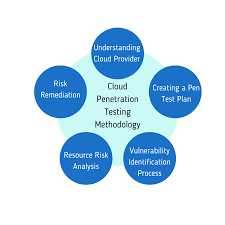
Attackers rarely stop after compromising one account or workload. Once initial access is gained, they often attempt to expand control throughout the environment. A strong cloud vapt examines whether weak roles, insecure trust policies, or compromised credentials could allow attackers to move laterally between systems. Security professionals simulate real-world attack techniques to determine how deeply an attacker could penetrate cloud infrastructure. These assessments help organizations understand hidden attack paths and strengthen controls before malicious actors can exploit interconnected cloud services.
Supporting Compliance and Risk Management
Many industries must comply with strict cybersecurity regulations and data protection requirements. Financial institutions, healthcare providers, and technology companies frequently need documented security testing to meet compliance standards. Conducting regular cloud vapt engagements demonstrates a proactive commitment to protecting customer data and maintaining secure cloud operations. Security assessments also help executives and risk management teams better understand their organization’s exposure to cloud-based threats. This visibility supports informed decision-making and improves overall governance across enterprise cloud environments.
Strengthening Cloud-Native Security Controls
Cloud platforms provide advanced security tools, but they are only effective when configured correctly. Security teams performing cloud assessments often evaluate serverless applications, container environments, identity federation, and monitoring systems for weaknesses. Improperly configured cloud-native controls can allow attackers to bypass security restrictions or maintain persistence within environments. Businesses that regularly validate their cloud security posture are better prepared to detect suspicious activity and respond rapidly to potential threats. Continuous improvement remains critical as cloud technologies evolve and enterprise infrastructures become more complex.
The Value of Experienced Security Consultants
The success of a cloud security engagement depends heavily on the expertise of the testing professionals involved. Skilled consultants understand offensive security methods, cloud architecture, and modern attack techniques targeting enterprise environments. Companies such as swarmnetics.com deliver specialized cloud VAPT services using certified professionals with OSCP and CREST CRT credentials. Their testing approaches focus on uncovering practical attack scenarios that reveal how vulnerabilities could impact real business operations, helping organizations implement stronger and more effective security measures across cloud ecosystems.
Building Long-Term Cybersecurity Resilience
Cloud security is not a one-time process but an ongoing responsibility that evolves with business growth and technological change. Enterprises continuously introduce new applications, user roles, and integrations that may create additional vulnerabilities over time. Regular cloud security assessments help organizations adapt to emerging threats while maintaining strong defenses against sophisticated attacks. By investing in continuous testing, monitoring, and remediation, businesses can strengthen cybersecurity resilience, improve customer trust, and ensure their cloud infrastructure remains secure in an increasingly digital business landscape.