

Selective Soldering in SMT Assembly
In smt assembly, blank laminates that serve as the base for PCBs pass through an assembly line where pick-and-place machines will install components on them. This is done according to the design files uploaded by the client and loaded into the assembly line so that the machine can precisely follow the layout and not miss a single spot. When all the components are mounted on the board, they will go through a preheating and soldering process. This is similar to wave soldering but differs in that the flux applied is only to the parts to be soldered and the preheat temperature is lower than that of the solder waves used in the process.
This is because the molten wave doesn’t pass through the entire board. Instead, the solder is directed to specific parts through a special nozzle. This reduces overall production time while minimizing defects caused by thermal shock or damage to sensitive components.
The other advantage of selective soldering is that it can reach areas of a board that are hard to solder using traditional methods. These include tall components that restrict the heat of a molten wave, and boards with thick copper layers for ground and power planes that make it difficult to hand solder. Selective soldering allows these areas to be soldered quickly, autonomously, and with a high level of quality.
One of the disadvantages of selective soldering is that it can be expensive, depending on how much fixturing is required to hold the components in place. In addition, the equipment can require extensive maintenance and repair to keep it running properly.
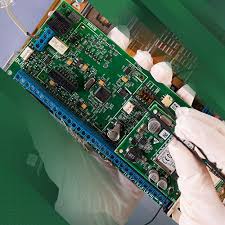
Advantages and Disadvantages of Selective Soldering in SMT Assembly
Luckily, the technology behind selective soldering is constantly evolving, making it more efficient and cost-effective. EMS providers that invest in modular, upgradeable hardware and provide proper training for their employees are able to reap the benefits of this process.
It is also important to remember that the nozzles used for selective soldering are highly specialized and need to be replaced often. This can be expensive, especially if the nozzles are not cleaned regularly and kept in good condition. However, this can be avoided by establishing preventative maintenance schedules, which include cleaning the nozzles, checking and replacing worn-out parts, and updating software.
In summary, selective soldering is an excellent choice for high-quality Printed Circuit Board Assemblies (PCBAs) that need to be produced in a short amount of time. This assembly method is precise, efficient, and affordable, which makes it a popular option for manufacturers worldwide.
By working with an EMS provider that offers this service, you can be confident that your products will meet high standards of quality and reliability. This will ensure that your customers are satisfied with their purchases and return to you for future business. In addition, you can be sure that you will receive on-time delivery and affordable rates. This will give you a competitive edge over your competitors and help you grow your business.