

circuit board assembly services techniques vary for flexible circuit boards
Circuit card assembly manufacturers are increasingly recognizing the importance of incorporating environmental considerations into their operations. As awareness of environmental issues continues to grow, companies in the electronics industry are facing mounting pressure to adopt sustainable practices that minimize their ecological footprint and reduce environmental impact.
One of the primary environmental considerations for circuit card assembly manufacturers is the management of hazardous materials used in the manufacturing process. Electronic components often contain substances such as lead, mercury, cadmium, and brominated flame retardants, which can pose significant risks to human health and the environment if not properly handled and disposed of. Manufacturers must adhere to strict regulations, such as the Restriction of Hazardous Substances (RoHS) directive, which restricts the use of certain hazardous substances in electrical and electronic equipment. By transitioning to lead-free soldering and reducing the use of toxic materials, manufacturers can minimize their environmental impact and promote safer working conditions for employees.
Furthermore, energy consumption is a critical environmental consideration for circuit card assembly manufacturers. The manufacturing process requires significant amounts of energy to power equipment such as soldering machines, conveyor belts, and assembly lines. By implementing energy-efficient technologies and practices, such as optimizing production schedules to reduce idle time, using energy-efficient lighting and heating systems, and investing in renewable energy sources like solar or wind power, manufacturers can reduce their carbon footprint and lower their overall energy costs.
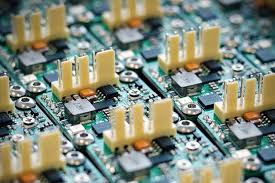
How do circuit board assembly services techniques vary for flexible circuit boards?
Waste management is another important environmental consideration for circuit card assembly manufacturers. The manufacturing process generates various types of waste, including scrap materials, packaging, and wastewater. To minimize waste generation and promote recycling and reuse, manufacturers can implement practices such as source reduction, material substitution, and waste segregation. Additionally, implementing a closed-loop recycling system for materials such as metals and plastics can help reduce the reliance on virgin resources and mitigate the environmental impact of waste disposal.
Water conservation is also an increasingly important environmental consideration for circuit card assembly manufacturers, particularly in regions facing water scarcity or drought conditions. The manufacturing process requires water for cleaning, cooling, and other purposes, and excessive water consumption can strain local water resources and ecosystems. Manufacturers can implement water-saving measures such as recycling and reusing wastewater, installing water-efficient equipment and fixtures, and implementing process improvements to minimize water usage. By conserving water resources, manufacturers can reduce their environmental impact and contribute to sustainable water management practices.
Moreover, transportation and logistics play a significant role in the environmental footprint of circuit card assembly manufacturers. The transportation of raw materials, components, and finished products involves the consumption of fossil fuels and emissions of greenhouse gases and other pollutants. Manufacturers can mitigate the environmental impact of transportation by optimizing shipping routes, consolidating shipments to reduce the number of trips, and utilizing low-emission transportation modes such as rail or sea freight. Additionally, implementing just-in-time inventory management practices can help reduce inventory holding costs and minimize the need for excess transportation.
In conclusion, environmental considerations are becoming increasingly important for circuit card assembly manufacturers as they seek to minimize their ecological footprint and promote sustainability. By managing hazardous materials, reducing energy consumption, implementing waste management practices, conserving water resources, and optimizing transportation and logistics, manufacturers can reduce their environmental impact and contribute to a more sustainable future. Embracing environmentally friendly practices not only benefits the environment but also enhances brand reputation, reduces costs, and fosters innovation and competitiveness in the electronics industry.