

different types of Assembly company pcb processes
Assembly companies involved in printed circuit board (PCB) manufacturing utilize various processes to assemble electronic components onto PCBs. These processes are tailored to meet specific design requirements, production volumes, and industry standards. Understanding the different types of assembly processes is essential for optimizing production efficiency and ensuring high-quality PCB assemblies.
One of the primary assembly processes used by assembly company pcb is Surface Mount Technology (SMT). SMT involves mounting electronic components directly onto the surface of the PCB, rather than inserting them through pre-drilled holes. This method is well-suited for high-density PCB designs, as it allows for smaller and lighter components to be placed in close proximity to each other, resulting in compact and efficient circuit layouts. SMT components are typically mounted using automated pick-and-place machines, which accurately position components onto solder paste deposits on the PCB. After placement, the PCB is subjected to a reflow soldering process, where the solder paste is melted to create permanent connections between the components and the PCB.
Through-Hole Assembly is another common process used by assembly companies, particularly for components that require mechanical support or are subjected to higher mechanical stress or current loads. Through-hole components have wire leads that are inserted through pre-drilled holes in the PCB and soldered to pads on the opposite side. This method provides robust mechanical connections and is commonly used for connectors, switches, and larger passive components like electrolytic capacitors and transformers. Through-hole components are typically soldered manually using soldering irons or semi-automatically using wave soldering machines, where the entire PCB is passed over a wave of molten solder to create solder joints.
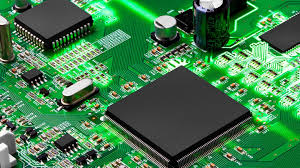
What are the different types of Assembly company pcb processes?
Mixed Technology Assembly combines both SMT and through-hole assembly processes to accommodate a wider range of components and design requirements. This method allows assembly companies to leverage the benefits of both processes, using SMT for smaller, lighter components and through-hole assembly for larger or specialized components. Mixed technology assembly requires careful coordination and planning to ensure that components are placed and soldered correctly, taking into account the different soldering processes involved. This process offers flexibility in design and component selection, allowing for the creation of complex and versatile PCB assemblies.
In addition to these primary assembly processes, assembly companies may also employ specialized techniques to meet specific production requirements or address unique challenges. For example, Ball Grid Array (BGA) assembly is used for components with an array of solder balls on their underside, which are mounted onto corresponding pads on the PCB. BGA components offer high-density packaging and enhanced thermal performance but require specialized equipment and expertise to ensure proper alignment and soldering. Similarly, Package on Package (PoP) assembly involves stacking multiple integrated circuit packages vertically on top of each other, allowing for increased functionality and miniaturization in compact electronic devices.
In summary, assembly companies utilize various assembly processes, including Surface Mount Technology (SMT), Through-Hole Assembly, Mixed Technology Assembly, Ball Grid Array (BGA) assembly, and Package on Package (PoP) assembly, to manufacture high-quality PCB assemblies. Each process offers distinct advantages and is chosen based on factors such as component size, density, mechanical requirements, and production volume. By leveraging these processes effectively, assembly companies can produce PCB assemblies that meet the demands of modern electronic devices.