

environmental benefits of using rigid flex boards
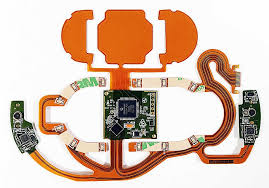
Rigid flex boards combine the durability of rigid PCBs with the flexibility of flexible printed circuit boards. This hybrid technology enables a more compact assembly design, enhanced functionality, and improved device performance, all while maintaining electrical connections. In addition, rigid flex boards can offer greater reliability for electronic devices in harsh applications, such as automotive and aerospace systems, by reducing possible points of failure.
Flex PCBs are manufactured using flexible materials, such as polyimide or polyester (PET), which allow them to conform to a device’s enclosure. This feature is ideal for applications where space constraints and mechanical stress are critical considerations. However, despite their ability to conform to complex shapes, flex PCBs are vulnerable to mechanical shock, vibration, and environmental exposure, which can lead to failure. In comparison, rigid flex PCBs are able to offer a greater level of structural stability and reliability for the entire circuit board, even in high-stress or dynamic movement applications.
In order to maximize the flexibility and durability of rigid flex board, they need to be fabricated with the right combination of materials. Proper material selection is essential, as it allows for a better balance between rigid and flexible sections of the board, while also improving signal integrity and allowing for efficient manufacturing processes.
What are the environmental benefits of using rigid flex boards?
The best rigid flex boards are able to achieve these goals by leveraging low-flow prepregs and adhesives. These specialized materials reduce resin flow issues that could otherwise delaminate rigid and flexible sections of the circuit board, resulting in a robust, durable construction. By examining best practices and considerations associated with the use of these advanced materials, designers can optimize rigid-flex stackup configurations that meet industry standards and device performance criteria.
Rigid-flex circuits are designed to withstand both mechanically harsh environments and environmental conditions, making them well-suited for demanding applications. Their rigid materials provide stability while their flex sections allow for resilience and adaptability in response to mechanical stress, temperature fluctuations, or moisture. Additionally, rigid flex circuits can benefit from additional protective measures like coating or encapsulation.
Consumer Electronics: Rigid-flex circuits are commonly found in electronics, such as digital cameras and laptops, where they help to create compact, lightweight designs. They are also used in wearable technology, such as smartwatches and fitness trackers, to enable the flexible form factors required by these devices. Aerospace Avionics: Rigid-flex circuits have been utilized in aircraft avionics to save space and ensure reliability in control units and navigation systems.
Rigid flex circuits are increasingly being used in military-grade electronics, including radar and navigation systems. They offer resistance to extreme temperatures, humidity, and mechanical stress, making them ideal for aerospace and defense systems. Rigid flex PCBs can also be used to build foldable tablet computers that are both durable and portable. These features make rigid-flex boards an attractive option for mobile electronics that require space-saving design and reliable connectivity.