

Lifespan of PCB Flex
PCB flex is a flexible printed circuit board that uses rigid and flexible areas to enable multifunctional designs. These boards offer advantages over rigid-only boards such as reduced assembly time, weight and size. However, they can be vulnerable to damage caused by bending and vibration. Consequently, it’s essential to understand What is the lifespan of PCB flex? to design, fabricate and assemble them properly.
The longevity of a flex PCB depends on the materials, manufacturing process and environmental factors. The material used plays an important role as it affects the elasticity, conductivity and durability of the circuit board. Flex PCBs can be fabricated using a variety of materials including FR4, polyimide, and polyimide with copper foil. The thickness of the foil and the amount of copper on the flex PCB determines its flexibility and strength. Ideally, the foil should be as thin as possible while maintaining high conductivity.
Rigid-pcb flex have a wide range of applications that include wearable electronics, aerospace and military applications, and automotive and medical devices. They can be manufactured using a variety of fabrication methods including etching, drilling and lamination. The choice of adhesive is another critical factor that affects the durability and lifespan of a flex PCB. Adhesives are available in various types including acrylic, epoxy and pressure-sensitive adhesives (PSA). Choosing the right type of adhesive depends on the application and environment where the PCB will be used.
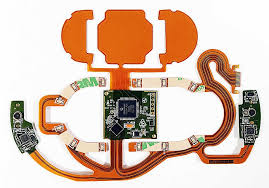
What Is the Lifespan of PCB Flex?
The way a flex PCB is designed and assembled also affects its reliability. It’s crucial to follow proper bending guidelines, avoid tight bends, and keep the flexible sections away from other copper traces. This prevents the stress from being concentrated at points of contact where damage is likely to occur. It’s also important to ensure that the flexible sections are not stacked on top of each other. This creates stress points and can crack the PCB.
It’s also crucial to make sure the drill-to-copper distance is a minimum of 8 mils in a flex circuit. This will minimize potential stress concentration points and ensure good contact between the via and the copper trace. It’s also preferable to use teardrop or annular-ring shaped vias rather than round ones, as they are better suited for flex circuits and will hold up under higher stresses.
The manufacturing process is another important factor that influences the life of a flex circuit. It’s vital to follow recommended manufacturing guidelines to prevent contamination, moisture absorption and damage during production. If a manufacturer fails to follow these guidelines, it will inevitably impact the quality of the resulting product and reduce its lifespan. Finally, the way a flex PCB is handled, stored and assembled will also influence its longevity. It’s important to follow proper handling and storage techniques to prevent damage and deterioration of the traces and insulation. In addition, it’s important to keep in mind that exposure to chemicals and extreme temperatures can accelerate the degradation of materials and components. It’s also necessary to store PCBs in a temperature and humidity-controlled environment.