

Role of Technology in Flexible Printed Circuit Manufacturers
Whether you’re using your favorite portable device or the latest medical technology, the chances are good that flexible printed circuit manufacturers have played a critical role. The specialized materials and manufacturing processes involved in this unique interconnect technology are essential for the miniaturization of modern consumer electronics and their ability to withstand dynamic movement and environmental stress.
Flexible PCBs are a key driver of the rapid growth in wearable, mobile devices. They provide significant design flexibility and improve reliability by withstanding mechanical stresses and harsh environments more effectively than rigid PCBs. They also contribute to smaller size and lighter weight, which are vital for compact electronic products.
A number of technological advances have enabled flexible printed circuit manufacturers to reach new levels of sophistication. Historically, they were used to replace wire harnesses, but today they are an integral component of many high-performance and compact electronic devices. This includes everything from simple electronic wearables to complex military and aerospace hardware.
What is the Role of Technology in Flexible Printed Circuit Manufacturers?
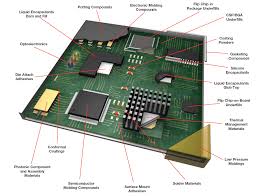
The primary material in FPCs is polyimide, which is a thin and flexible plastic film that functions as the base of the flex circuit. The copper circuits, which are etched into the substrate, are then sandwiched between the coverlay and an adhesive layer. The coverlay is a protective layer that helps prevent shorting of the copper circuits. The copper layers are then plated with metal to establish connections between circuits and provide resistance. Finally, the circuits are cut to the correct shape, and the finished product undergoes inspection and packaging.
In recent years, engineers have been working to develop stretchable and foldable electronics that can flex as the user bends or moves the device. This is a significant challenge that requires careful design to ensure durability and functionality without compromising electrical integrity or performance. This effort is being driven by the growing demand for compact and lightweight electronics that can be worn on the go, and is being supported by advances in materials and manufacturing techniques.
FPCs are being used in a variety of medical applications, with the most prominent example being the flexible Rigid-Flex circuits that have become popular for military devices. They are also increasingly being integrated into wearable health-tracking devices and implantable medical devices. They can help track the activity of the human body, including heart rate and blood pressure, and allow patients to monitor their own health conditions from home.
As a leading flexible circuit manufacturer, Best FPC understands the nuanced needs of its diverse clientele and provides a wide range of flex circuit options. These include thinner and more flexible circuits for medical devices, as well as thicker circuits for industrial and automotive uses. The company’s expertise enables it to create the perfect flex circuit for each application, meeting the technical and performance requirements of its clients with precision and efficiency. The company’s specialized capabilities include high-density interconnects, surface mount technology, and custom assembly. It also offers advanced flex circuit testing services to ensure the quality of its products.